
PURVEYORS of

FRESH SEAFOOD

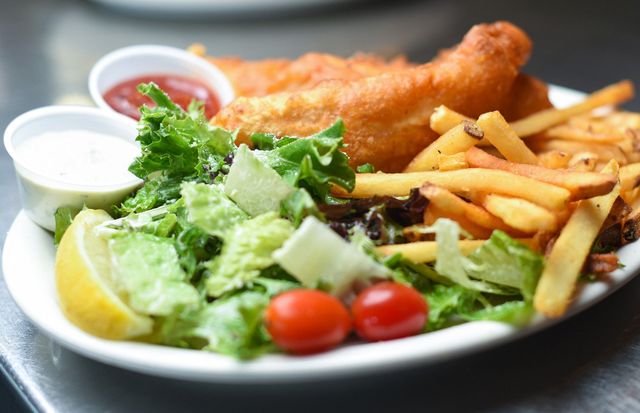
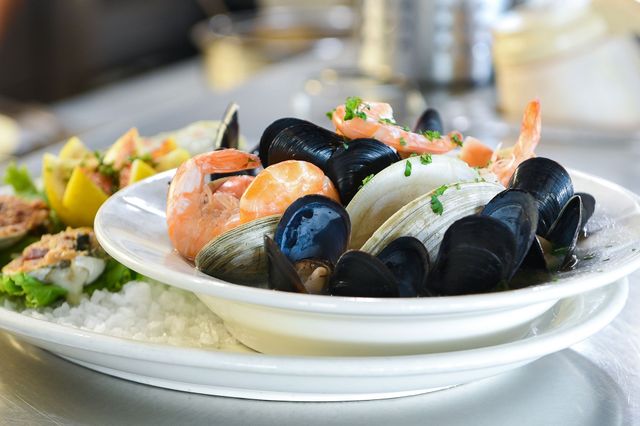
Located in the heart of Santa Barbara Harbor, Brophy Bros. Restaurant & Clam Bar has been serving fresh seafood, award-winning clam chowder, and harbor views since 1986. Locals and visitors alike come for oysters, fish and chips, and classic waterfront dining overlooking the marina.

Brophy Bros. Sustainable Seafood Program

 As the leading seafood restaurant on the Central Coast, Brophy Bros. actively participates in the protection of our oceans by supporting sustainable seafood practices through education, awareness, and informed decision-making.

LEARN MORE

News, Events, Blog

January 1, 2026
When it comes to diets, there’s plenty of fish in the sea. But if you’re looking for an eating pattern that touts all the benefits of a vegetarian diet, without swearing off sushi, look no further than the pescatarian diet. The pescatarian diet eliminates red meat and poultry but embraces fish and other seafood. This diet is regarded as one of the highest quality diets, and it's rich in nutrients. What is the pescatarian diet? The word ‘pescatarian' is a blend of the Italian words for fish, “pesce,” and the term “vegetarian”, and the diet is a healthy, delicious marriage of both worlds. It’s a plant-based diet of fruits, vegetables, whole grains, nuts, seeds and legumes that incorporates protein solely from fish and seafood. Some pescatarians may eat eggs and dairy, while others may not. “It’s more flexible than a vegetarian or vegan diet in that it allows more variety in being able to get protein in your diet,” says Rebecca Purcell, a registered dietitian nutritionist at Yale University in New Haven, Connecticut, adding that eating should be pleasurable. “You should enjoy eating the foods that you’re nourishing your body with and have the flexibility too.” While the pescatarian diet’s etymology stems in part from a vegetarian diet, health experts liken it more to the Mediterranean diet – without the meat. The Mediterranean diet is a plant-based approach inspired by the eating habits of people in countries near the Mediterranean Sea – including Greece, Italy, Spain and France. It emphasizes whole grains, fruits, vegetables, beans, herbs, spices, nuts, seeds and healthy fats from extra-virgin olive oil, as well as fish and seafood. However, unlike the pescatarian diet, the Mediterranean diet allows moderate to limited amounts of poultry and red meat. The Mediterranean diet consistently ranks #1 in The U.S. News’ Best Diets Overall for good reason: Researchers have repeatedly shown that this eating plan offers a plethora of health benefits, from lowering blood pressure, improving "good" cholesterol levels, reducing Type 2 diabetes risk and boosting cognitive function to protecting against age-related diseases – to name a few. Given the strong evidence behind the Mediterranean diet, it's no wonder health experts also highly recommend a plant-forward diet with fish. “The focus on fish and seafood as the only animal product utilized in the pescatarian diet helps to greatly reduce the saturated fat consumption but also adds the benefits of being healthy,” explains Mary Ellen DiPaola, a registered dietitian at the University of California, San Francisco. “A diet based on plant foods and fish and seafood is beneficial to all as it is nutrient-dense, can reduce disease risk, reduces the carbon footprint, and is delicious.”
December 1, 2025
Fishing nets are a necessary tool for fishermen around the world. But sadly, many of them end up in landfills, at best, and polluting the oceans, at worst. A man named Ian Falconer had experienced this firsthand. Hailing from Cornwall in the UK, he lived in a place known for its thriving fishing industry. Heartbroken after seeing discarded nets around the harbor near his home, he set out to find a solution. Using his background in environmental and mining geology, Falconer came up with an alternative. He and his team collected the old nets, and then they proceeded to shred them, melt the plastic, and turn them into nylon filaments for 3D printing. What started with experiments in his kitchen has grown into an international operation called 0rCA. Over its eight years of operations, 0rCA has raised $1.32 million in investment in over 40 countries. Thanks to this, Falconer has developed machinery that can turn over 45 pounds of nylon fishing nets an hour into filament. And all of the equipment needed conveniently fits in a shipment container, making it both easy to export and operate. According to the inventor, his recycling process has less than 3% of the carbon emissions of producing new nylon. In addition to recycling materials, this endeavor is key to keeping oceans clean. Falconer estimates that a million tons of fishing nets are discarded. Their lifespan has to do with the very purpose they serve. While they start as a transparent blue hue, they grow an algal biofilm with time, which turns them a cloudy gray. As they become more visible, fish start to avoid them, resulting in smaller catches. On top of that, since it can easily get tangled, many landfill operators don’t like taking them, or they charge fishermen a large sum to dump their used fishing nets there, and they often can’t afford to have them incinerated. Falconer found that the fishermen he has worked with are thrilled to be contributing to the solution by donating their old fishing nets, rather than making the problem worse. “They love that they can see where their nets are going,“ he explained. “Because if they’re just going into a skip and then get transported off, they’re out of sight, out of mind. So they love that they’re doing it in their community.” So far, countries like Brazil, Colombia, Ghana, South Africa, and Vietnam have expressed their interest in acquiring Falconer’s technology; a statement of how addressing a local issue can turn into a global answer. “You could have one of these at every harbor around the world, converting a costly and hazardous waste into a profitable raw material,” he told The Guardian. Meanwhile, several major companies that have invested in, partnered with, or used materials from OrCA include: L'Oréal: The beauty giant is a client, using OrCA's materials in its products and has participated in funding rounds. Mercedes-Benz and Ford: These automotive manufacturers are clients, using the recycled material to make car parts and help meet recycled plastic targets. Philips Lighting (now Signify): The lighting company is an industrial partner and client, using OrCA's recycled nylon in its products. Prada: The luxury fashion brand is a client of OrCA. Patagonia: The outdoor apparel company partnered with Bureo (another company in this space, using a similar model) to create outerwear jackets using the "NetPlus" fabric derived from recycled fishing nets.
September 1, 2025
The movement to urban areas has been happening for decades. At the same time, a stable and secure food supply remains fundamental to society. Young farmers are now needed to replace the retiring workforce and utilize innovative technologies to increase global food production to feed a growing population. A new generation of farmers, more digitally native and concerned with conscious living, could integrate new technologies and sustainable practices, contributing to the massive growth of regenerative agriculture. Smart farming methods would mean that young farmers could take advantage of smaller land units with higher yields, incorporating innovations like precision farming, hydroponics, and vertical farming. Agriculture also offers the independence of being self-employed, appealing to a generation looking for autonomy in their work. While the younger generation isn't necessarily against working in farming and agriculture - they do need the right opportunities and incentives. A successful shift will require a combination of economic incentives, education and training, technology integration, and cultural shifts. Attracting young people to consider farming as a career in 2025 may also require re-imagining agriculture as a sector poised for technology-driven entrepreneurs. With Agtech training in digital farming tools, precision agriculture, and AI-driven farming techniques, young people now possess the skills necessary to modernize agriculture in ways unknown to previous generations. A new UN report suggests that getting unemployed youth into agricultural jobs could change the future of food security, economic growth, and climate resilience, but coordinated action is needed to unlock their potential. “Youth are the future of agriculture, and it’s essential to provide them with the skills, knowledge, and resources to succeed.” ~ Dr.Kanayo Nwanze Former President, the International Fund for Agricultural Development The global economy could soar by $1.5 trillion IF youth are empowered in farming. ~ United Nations 2025
READ MORE

Follow us on Instagram

Follow